fbpx
Call WhatsApp
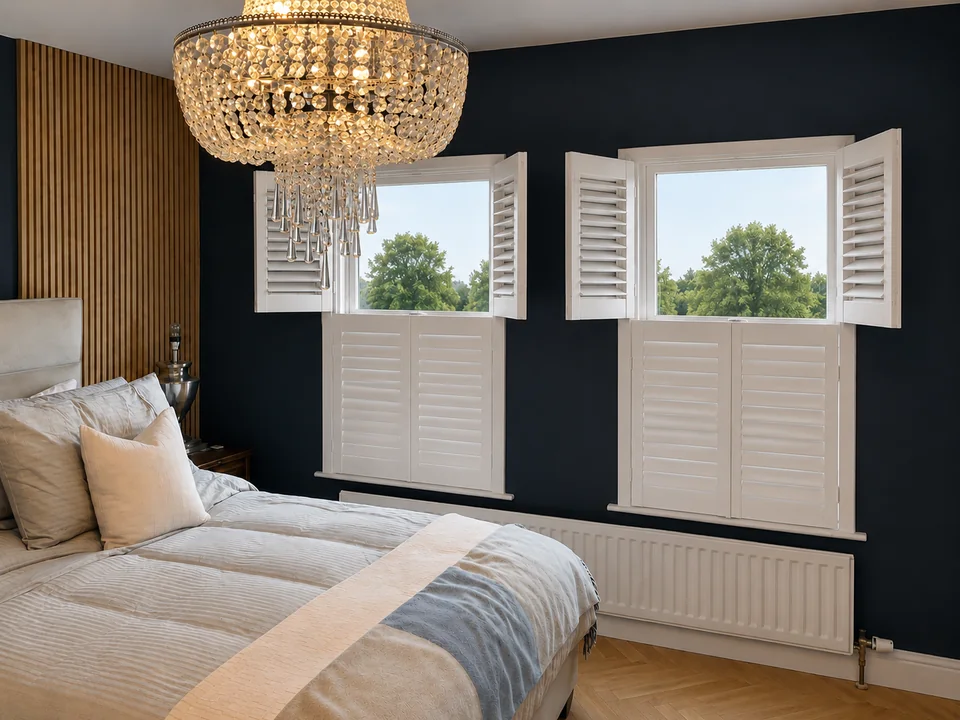
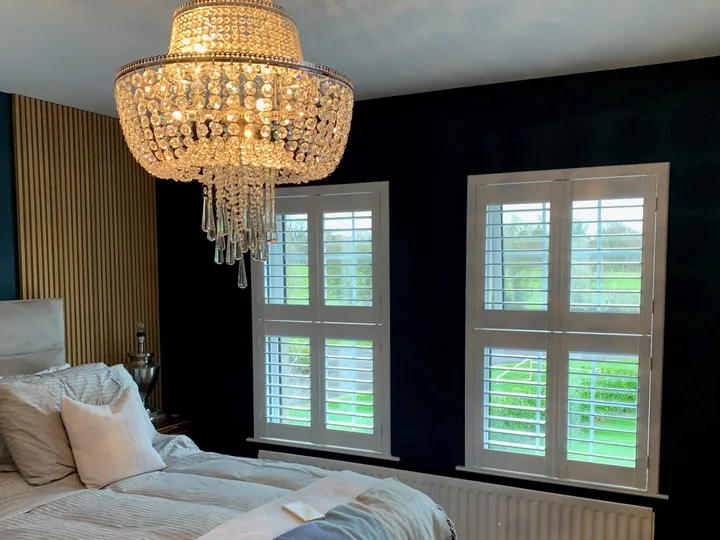
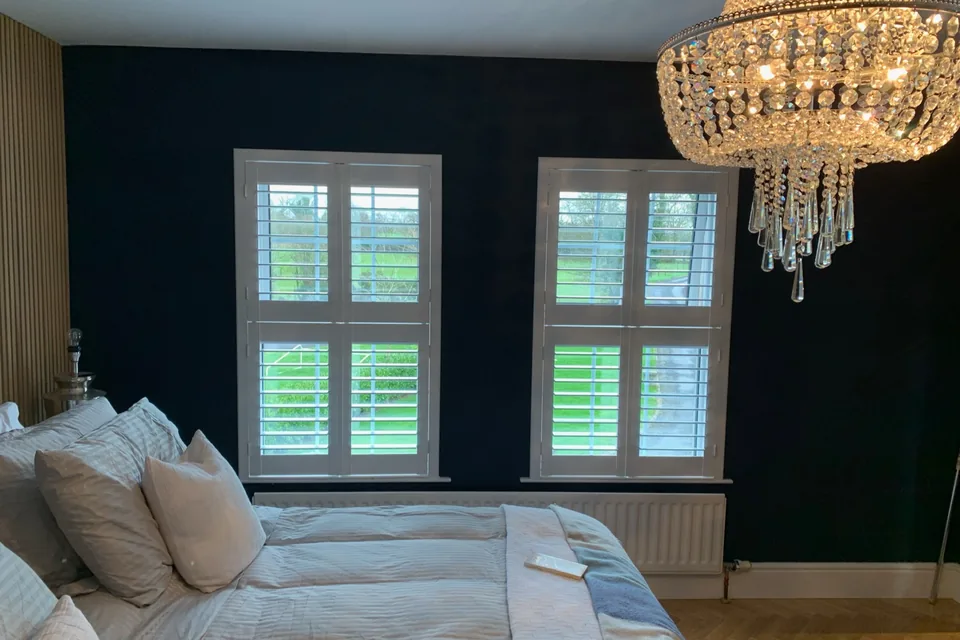
Bedroom with white Tier-on-Tier plantation shutters fitted to two windows
Independent upper and lower shutter tiers

Tier-on-Tier Shutters. Two sections. More ways to use the window.

Upper and lower shutter panels operate independently, giving you flexible control over privacy, daylight and how open you want the window to feel throughout the day.

Rated Excellent on Trustpilot Made in Northern Ireland 5-year guarantee package
What are Tier-on-Tier Shutters?

Full-window coverage, split into two independently opening tiers.

Tier-on-Tier shutters divide the window into separate upper and lower shutter sections. Each tier can open independently, so the same window can feel private, bright, open or more enclosed at different times of day.

They are especially useful in front-facing rooms, bedrooms and bay windows where the balance between privacy and openness changes throughout the day.

01
Two independent tiersOpen the upper or lower shutter panels without having to move the other section.
02
Flexible privacyKeep one part screened while opening the other to suit the room, view and time of day.
03
Full-window presenceUnlike Café Style, the shutter design continues across the complete window opening.
04
Made around the windowThe tier split, panel proportions and finish are set around the actual opening rather than a standard diagram.
See Tier-on-Tier in action

Four positions. Two independent tiers. One window that changes with the day.

Switch between the main panel positions to see why Tier-on-Tier gives you more flexibility than a single full-height shutter arrangement.

Interactive bedroom visualisation Bedroom visualisation showing Tier-on-Tier shutters with the upper panels open and lower panels closed
Top open. Bottom closed. Bring in the view and daylight above while keeping the lower half screened for privacy.

Daylight above. Privacy below.

Open the upper shutter tier completely while keeping the lower section closed. This is one of the most useful Tier-on-Tier positions for street-facing rooms and bedrooms.

1
The upper and lower panels genuinely operate independently.That independent movement is the defining difference between Tier-on-Tier and Full Height shutters.
2
Both closed gives the strongest privacy position.The visualisation shows both tiers shut with the louvres closed.

Visualisation based on a real Village Blinds and Shutters bedroom installation. Shutter positions have been digitally adapted to demonstrate how the two tiers can operate.

Why choose Tier-on-Tier Shutters?

Flexibility is the reason to choose them.

If the room needs a different balance of privacy and openness at different times of day, Tier-on-Tier gives you more panel-level control than Café Style or a conventional Full Height layout.

Independent upper and lower panels

Open either tier without moving the other, giving you more ways to use the same window.
Privacy where you need it

Keep the lower section screened in a street-facing room while opening more of the window above.

More ways to use daylight

Change how open the room feels without committing both tiers to the same panel position.

Strong in bedrooms and front rooms

Rooms used throughout the day benefit most when privacy and openness need to change with them.

Works beautifully in bays

The two-tier format can follow the proportions of bay and character windows while keeping practical everyday control.

Real Tier-on-Tier installations

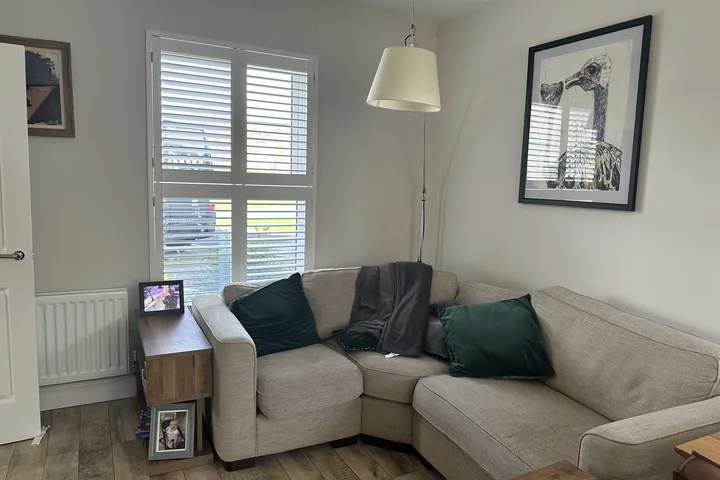
See the format in bedrooms, bays, living rooms and open-plan spaces.

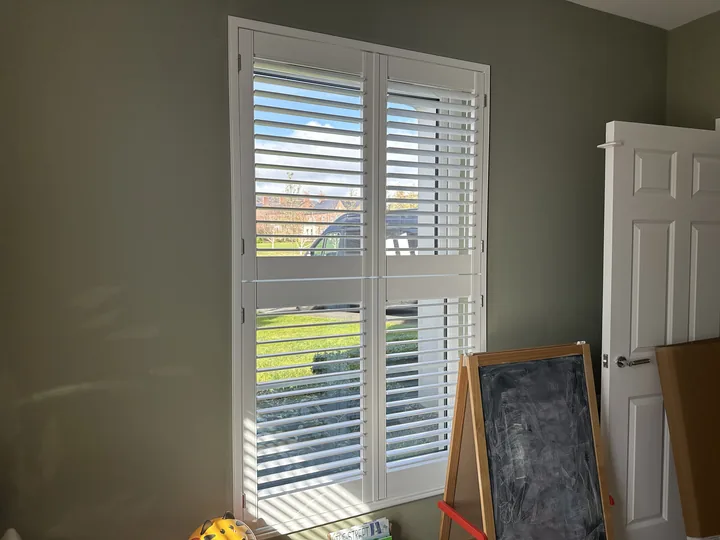
Real installations make it easier to judge the tier split, panel proportions and how much visual presence the shutters have across the whole window.
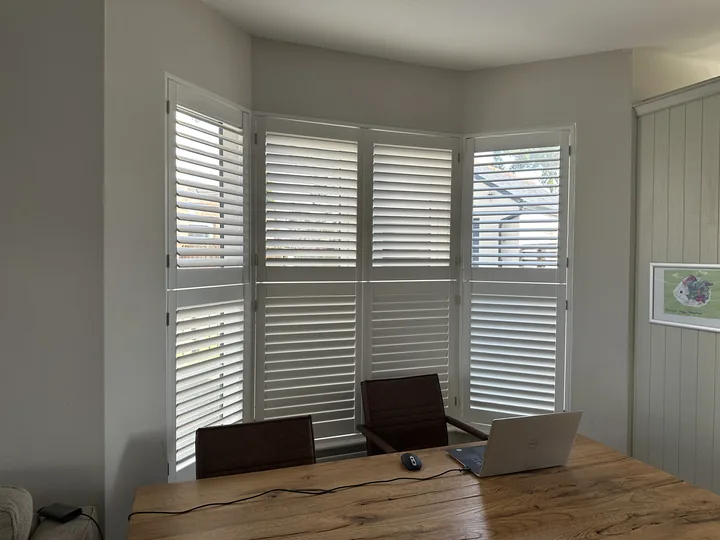
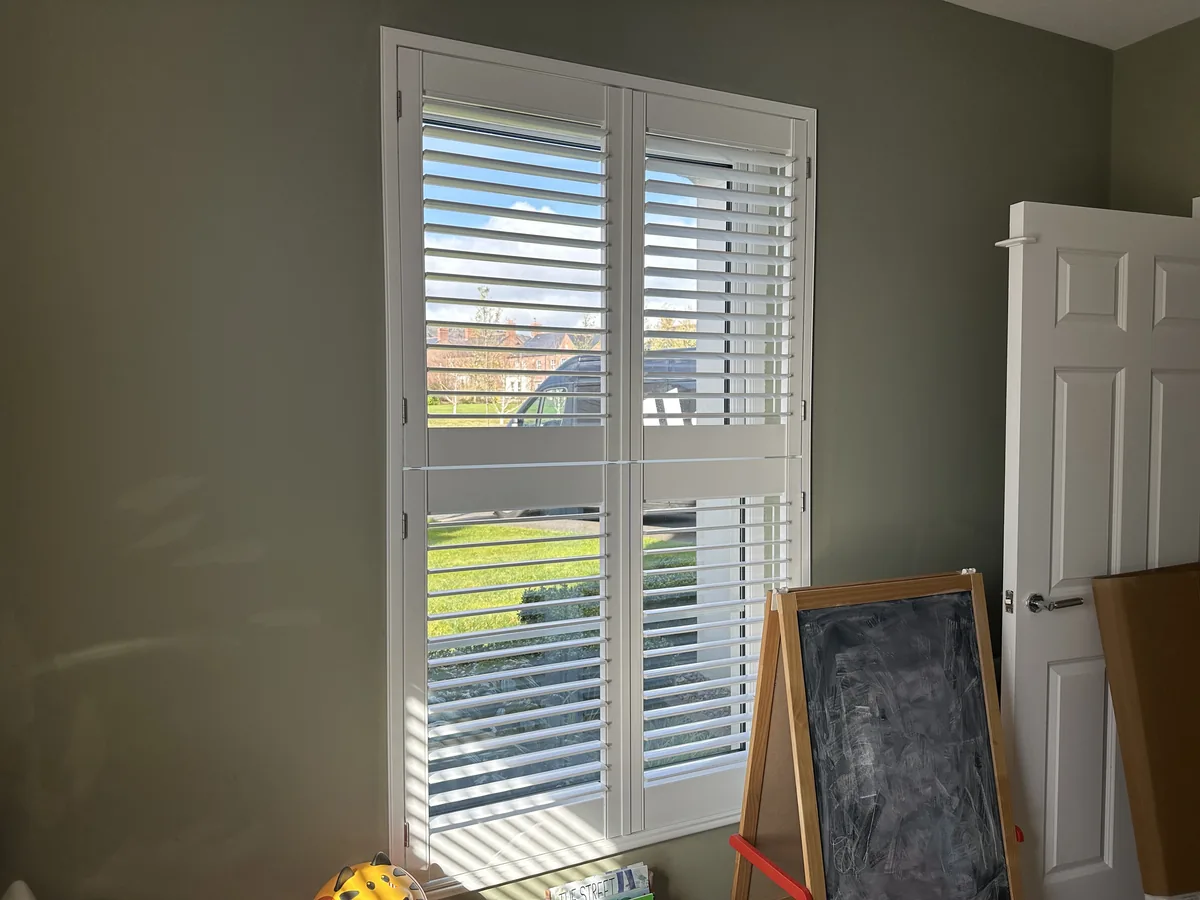
Tall window showing the horizontal split between upper and lower Tier-on-Tier shutter sections
The split matters Where the two tiers meet should make sense with the window.
Tier-on-Tier options

The flexibility comes from the format. The finished look comes from the details.

The tier split, louvre size, panel layout, tilt style and colour all change the proportions and character of the finished window. These are easier to judge with the actual opening and room in front of you.

Tier split
Where the upper and lower sections meetThe split can follow the proportions and natural lines of the window rather than defaulting to an equal division.
Louvres
63mm, 76mm or 89mmSmaller louvres create a finer visual rhythm; wider louvres create a more open face.
Tilt
Centre tilt or hidden tiltChoose a visible traditional centre rod or a cleaner hidden-tilt appearance.
Panels
Panel configuration around the openingThe number and width of panels need to work visually and still open cleanly in the room.
Colour
Light neutrals or a stronger colour directionPopular whites and soft neutrals remain common, with other finishes available where the room calls for them.
Compare shutter styles

Tier-on-Tier sits between Café openness and Full Height simplicity.

The difference is not cosmetic. It comes down to how much of the window you want covered and how independently the panels need to move.

C

Café Style

Choose Café Style when you want shutters only across the lower part of the window and the upper glazing permanently open.

Compare Café Style →
TT

Tier-on-Tier

Choose Tier-on-Tier when you want full-window coverage with separate upper and lower panel sections that can open independently.

You are here
FH

Full Height

Choose Full Height when you want one continuous shutter treatment with a simpler overall panel arrangement.

Compare Full Height →
Planning your shutters

See the look, understand the choices or get a feel for the budget before we visit.

You do not need every detail decided before the appointment. If you want to explore first, these are the most useful next steps.

See it on your own window

Shutter Visualiser

Upload a photograph and get an illustrative first look at how Tier-on-Tier or another shutter style could change the window.

Open the Shutter Visualiser →
Free planning guide

Plantation Shutter Buyers Guide

Understand the main styles, louvre choices, fitting considerations and questions worth thinking about before you choose.

Get the free shutter guide →
Budgeting

Plantation Shutter Prices

See the main factors that affect the cost before we prepare an exact quotation for your windows and chosen specification.

Explore shutter prices →
Independent customer feedback

What matters once the shutters are living in the room.

Read current feedback about the finished shutters, fitting and overall experience with Village Blinds and Shutters.

Book your free home appointment

See whether Tier-on-Tier is right for your windows.

We’ll look at the window proportions, where the tier split should sit and how you want privacy and daylight to change through the day, then compare suitable louvre sizes, panel layouts, tilt options and finishes. We’ll professionally measure and provide a quotation for the specification you choose.

  • Free home appointments across Northern Ireland
  • Compare Tier-on-Tier shutter samples at your own windows
  • Professional measuring and a clear quotation
Allow around 60 minutes. Your design consultant arrives within the time window you choose. Prefer to speak first? Call 0800 059 0747.
Choose your time
Your appointment Tier-on-Tier Plantation Shutters Approx. 60 minutes
Preferred time

Which time of day suits you?

Choose the time window that suits you best. You’ll continue to the live calendar to choose an available date.

You do not need to know the final tier split, louvre size, panel layout or tilt option before you book.

Tier-on-Tier Shutters FAQ

The questions that matter when comparing this style.

Focused answers about the independent upper and lower panel design.

What are Tier-on-Tier Shutters?
Tier-on-Tier Shutters cover the full window but are divided into separate upper and lower shutter sections. The two tiers can open independently.
Can the top and bottom shutters open separately?
Yes. Independent upper and lower panel operation is the defining feature of the Tier-on-Tier style.
How are Tier-on-Tier Shutters different from Café Style?
Café Style shutters cover only the lower part of the window. Tier-on-Tier covers the full window and adds a separate independently opening upper section.
How are they different from Full Height Shutters?
Full Height uses a more continuous full-height panel arrangement. Tier-on-Tier divides the panels into separate upper and lower sections so they can open independently.
Are Tier-on-Tier Shutters good for street-facing rooms?
They can be particularly useful in street-facing rooms because one tier can remain closed for privacy while the other is opened to change the light and view.
Which louvre sizes are available?
Village Blinds and Shutters offers 63mm, 76mm and 89mm louvre options for plantation shutters.
Can I choose hidden tilt?
Yes. Tier-on-Tier shutters can be specified with a visible centre tilt rod or a hidden tilt, depending on the look you prefer.
How do I get a quote?
Book a free shutter home appointment. We’ll measure the windows, discuss the Tier-on-Tier layout and prepare a quotation for the specification you choose.
Made in Northern Ireland

Made for these windows. Fitted in this room.

Your Tier-on-Tier shutters are made around the dimensions and specification agreed for your home, then professionally fitted so the panel movement and proportions work as intended.

Still deciding between shutter styles?

Compare the complete plantation shutter range before you book.

Explore Plantation Shutters → Or call 0800 059 0747
- ========================================================= VILLAGE BLINDS AND SHUTTERS — VILLAGE2030 CELLULAR BLINDS PRODUCT PAGE — FULL REPLACEMENT BODY Target URL: https://villageblinds.com/cellular-blinds/ GLOBAL ENGINE COMPATIBILITY - data-village30-page present on root - true hero/LCP marked data-vb-lcp - all below-fold images marked data-vb-below-fold - width + height hardcoded - click-to-load YouTube only ========================================================= -->
Made-to-measure cellular blinds in Northern Ireland

Cellular Blinds in Northern Ireland.Clean lines. Clever honeycomb structure.

A contemporary pleated blind that folds into compact cells, helping you manage daylight, privacy and comfort with a neat, minimal finish — professionally measured, made to your specification and fitted across Northern Ireland.

Rated Excellent on Trustpilot Made in Northern Ireland5-Year Guarantee
Measured in your homeWe assess the window, glazing and how the room needs to work.
Made in Northern IrelandMade-to-measure blinds produced by our local County Antrim team.
Professionally fittedInstalled and finished by the Village fitting team.
5-Year GuaranteeSupport continues after the installation is complete.
What is a cellular blind?

A pleated blind with structure hidden inside the fabric.

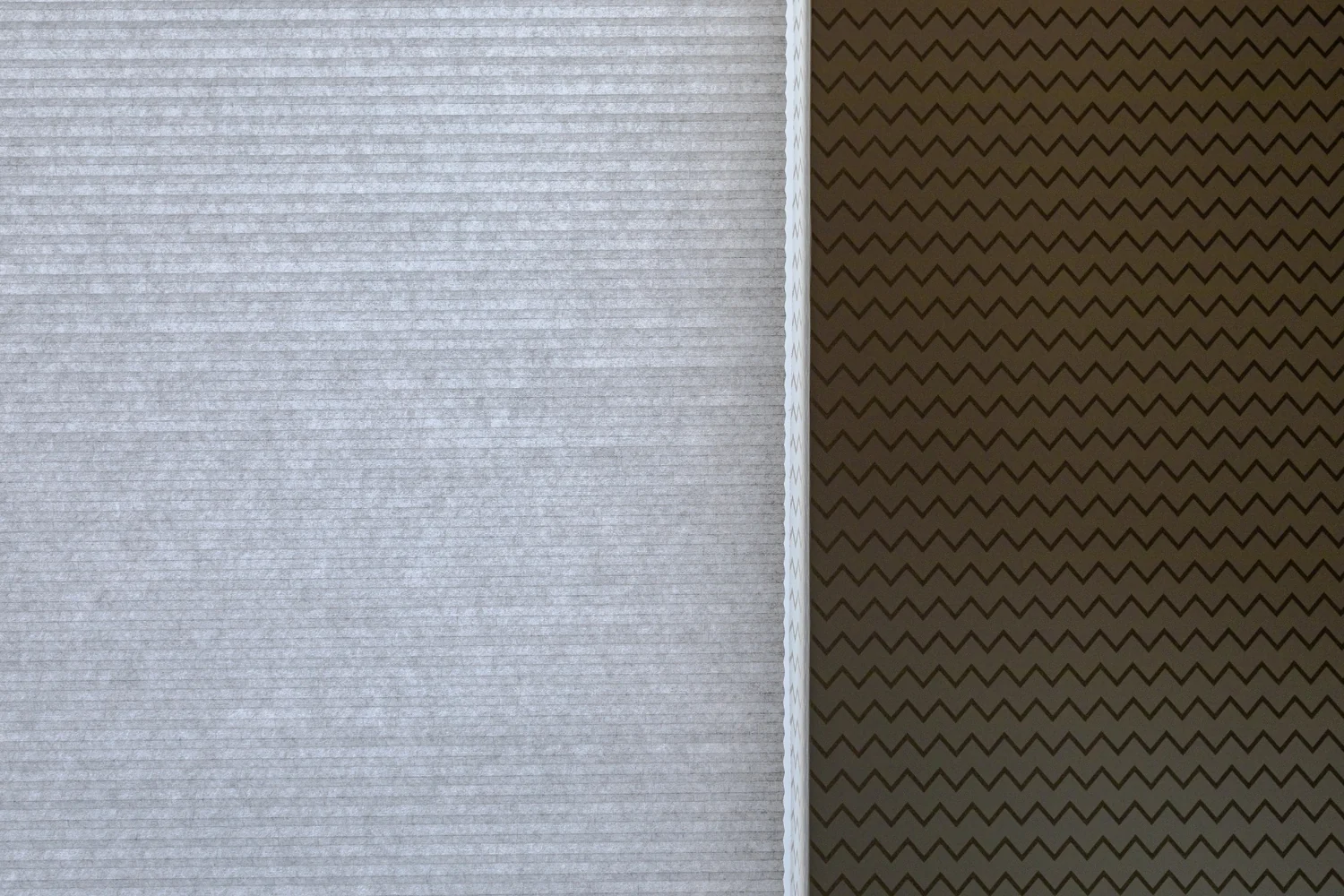
Cellular blinds — often called honeycomb blinds — are made from pleated material formed into a series of cells. Viewed from the room, the blind has a clean continuous face; viewed from the side, the honeycomb structure becomes clear.

That construction lets the blind retract into a relatively compact stack while also creating pockets of still air within the cells. The result is a very tidy product that works particularly well in contemporary interiors and larger areas of glazing.
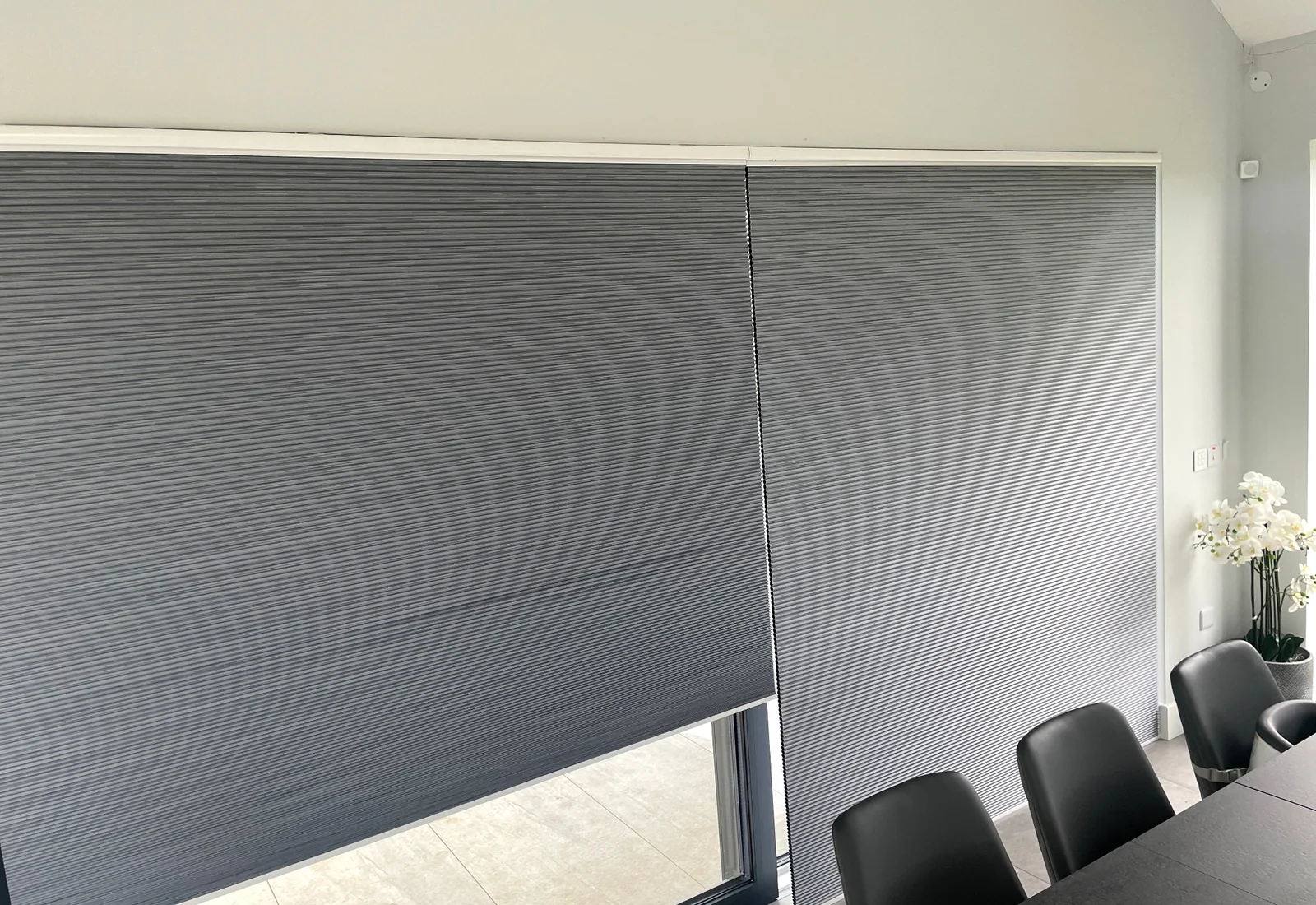
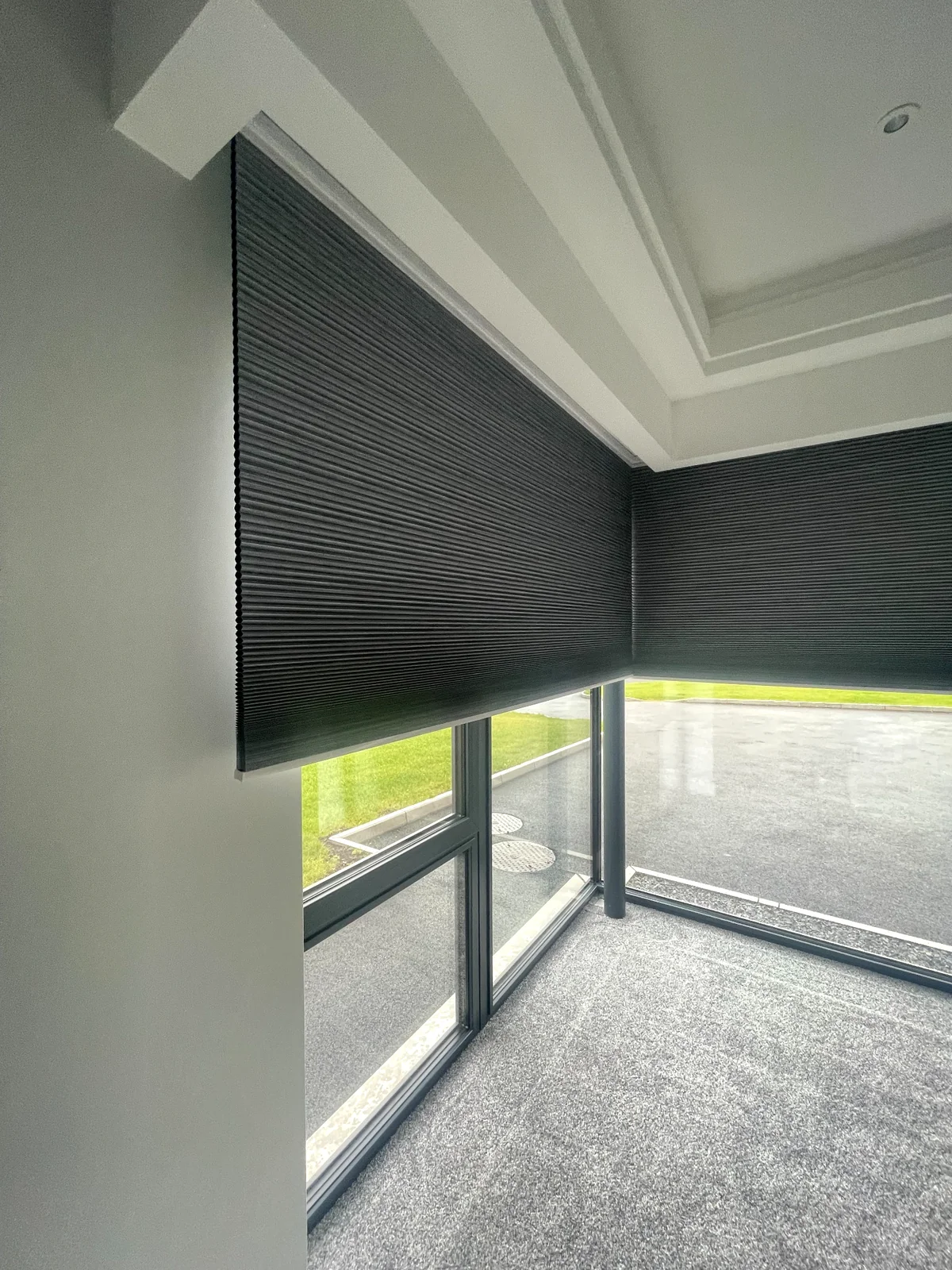
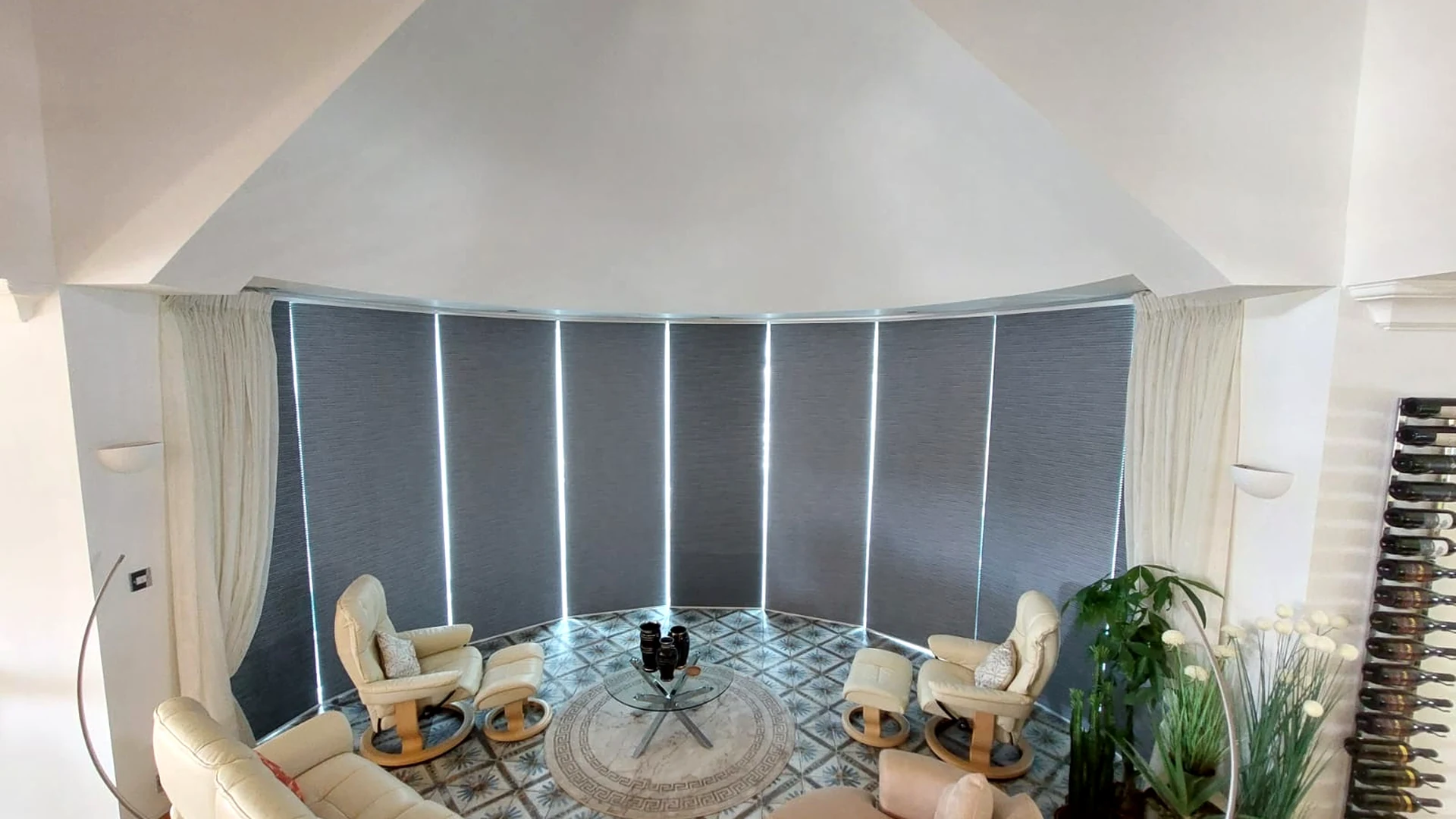
Dark grey cellular blinds fitted across a large glazed opening
Close-up showing the honeycomb cell structure of a cellular blind
The honeycomb difference

It is the cell structure that makes this blind different.

The cellular profile is more than a visual detail. It changes how the blind folds, how compactly it stacks and how it interacts with the air immediately beside the glazing.

01
Neat stackThe pleats collapse together as the blind rises, helping it occupy less visual space when open.
02
Air pockets within the cellsThe honeycomb construction creates layers of still air. The actual thermal effect depends on fabric, cell type, fit and the glazing itself.
03
Clean face to the roomNo horizontal slats are required, so the lowered blind has a softer, more continuous appearance.
Choose around the room

Start with what you need the blind to do.

The right cellular specification depends on daylight, privacy, window type and how often you want the blind to move.

Soften the light without making the room feel shut down.

Light-filtering cellular fabrics can diffuse bright daylight and give the window a calm, uniform finish while allowing the room to remain naturally lit.
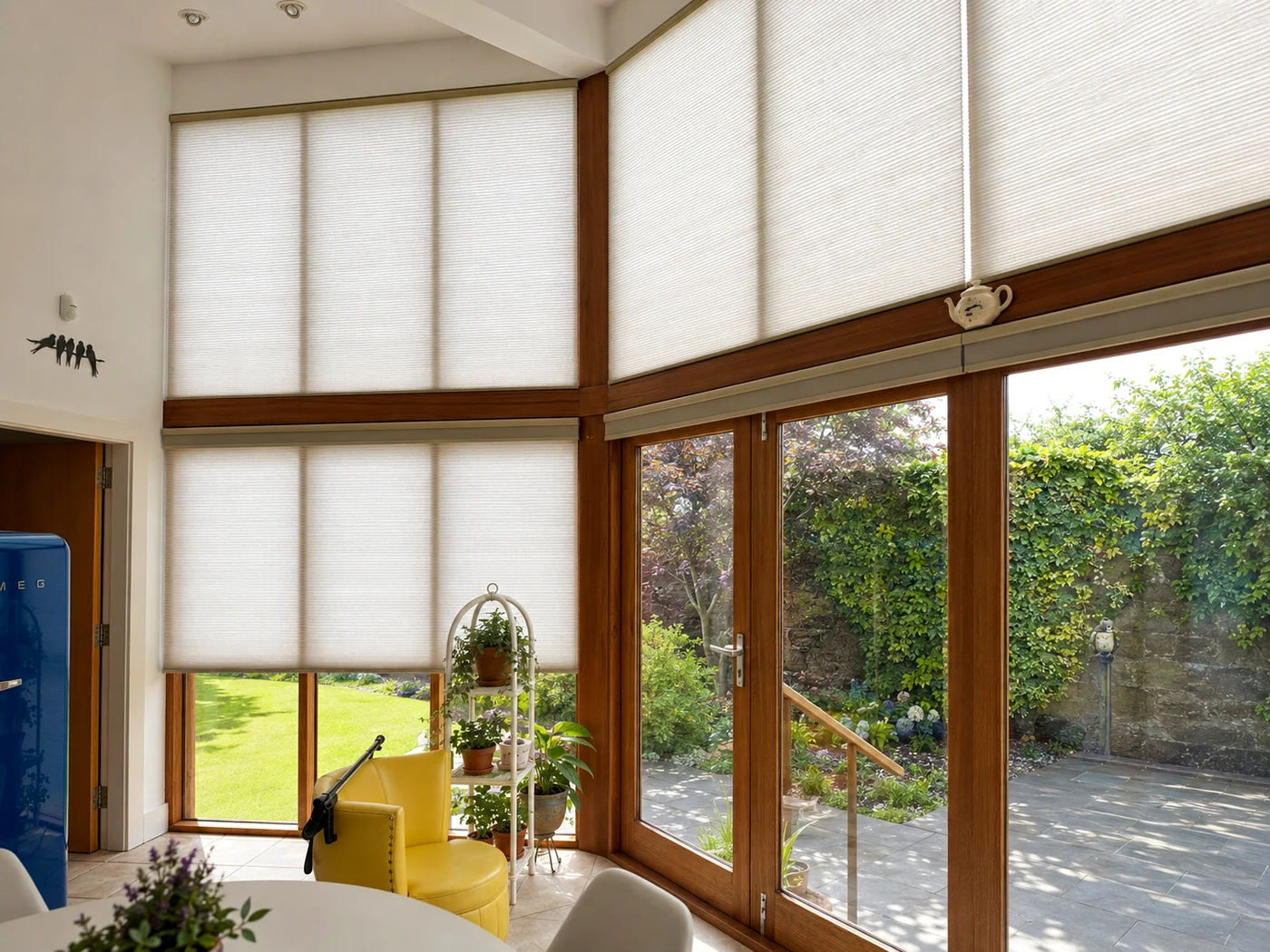
Best whenYou want glare softened while retaining a lighter daytime feel.
Think aboutNight-time privacy can vary with fabric and interior lighting.
White cellular blinds filtering daylight across timber-framed glazing
Where cellular blinds stand out

Particularly useful where clean coverage matters.

Cellular blinds are not only for standard windows. Their compact pleated construction makes them useful across a number of specialist applications.
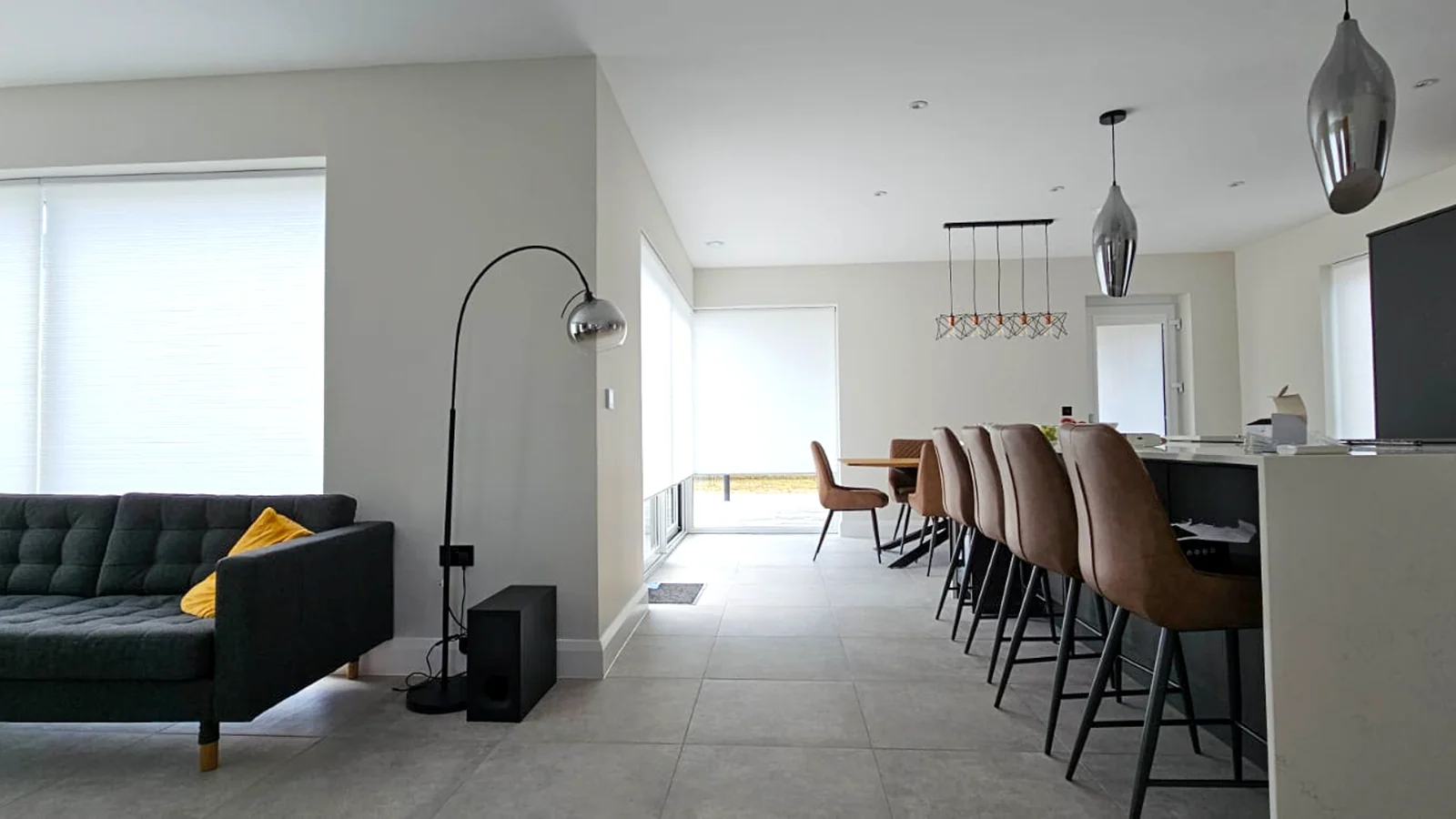
White cellular blinds fitted across large windows in a modern open-plan home
Large glazing

Wide windows and open-plan spaces

The restrained surface and compact stack can work well where the glazing already provides the main visual feature.

Planning a larger project →
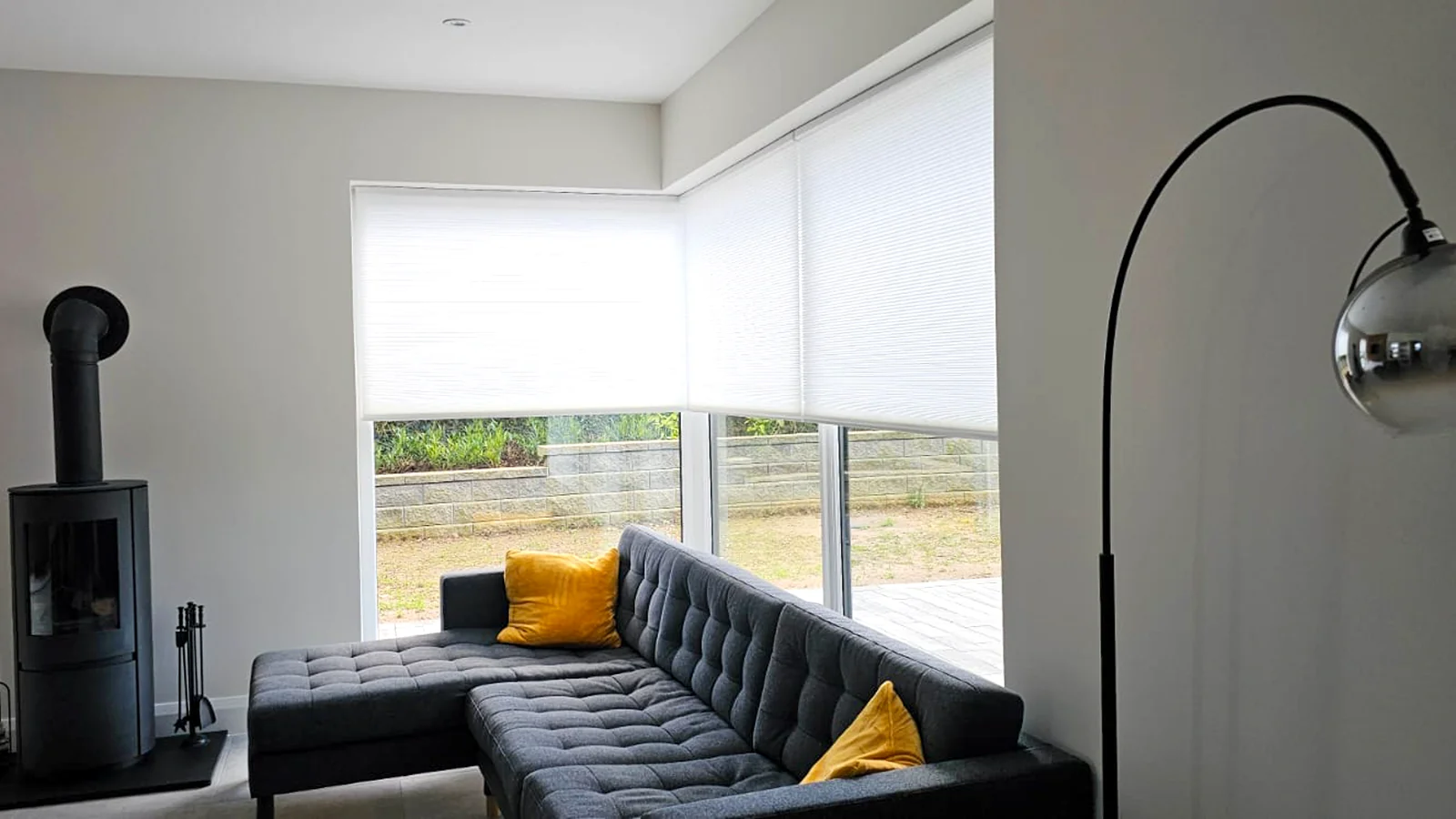
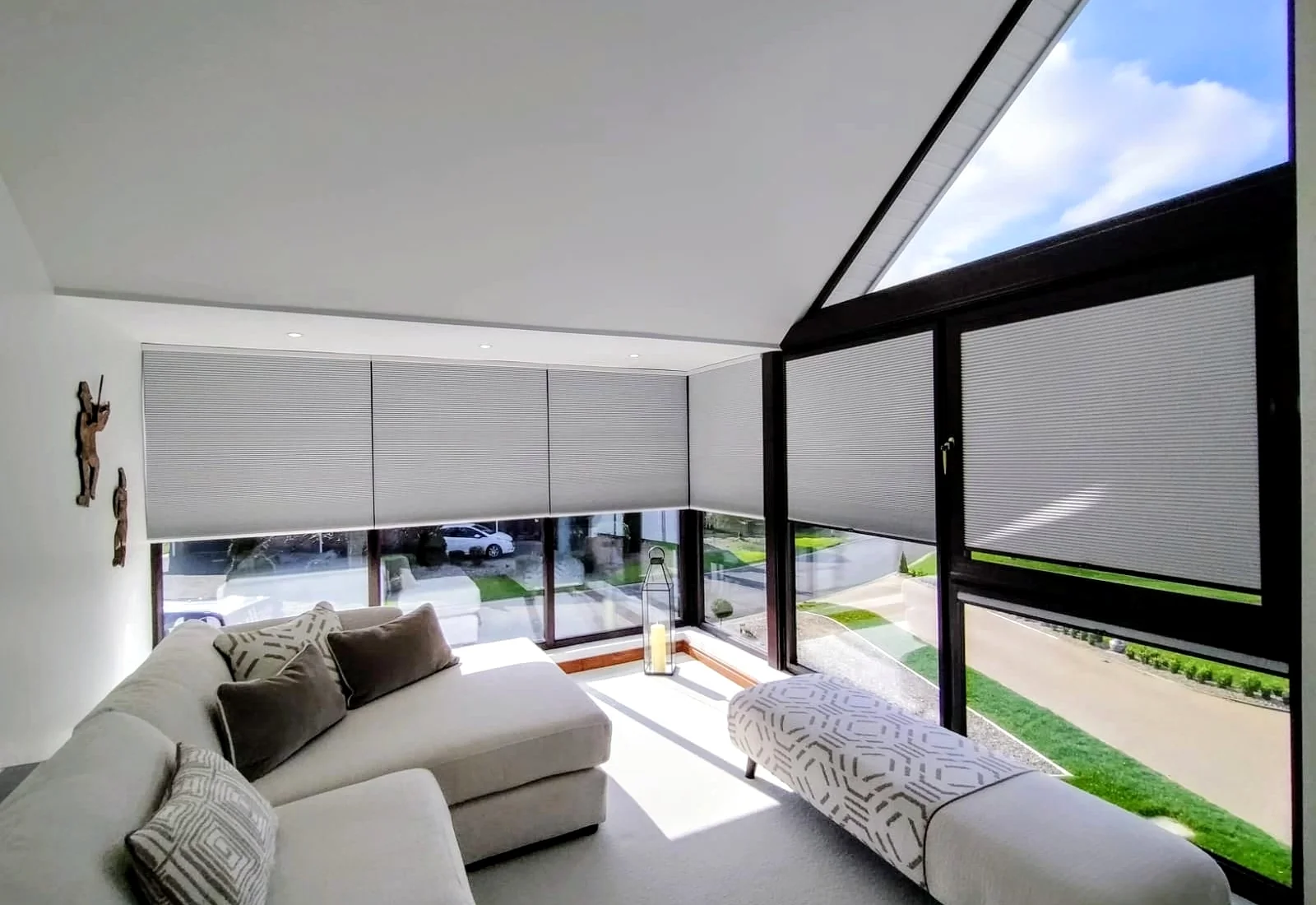
White cellular blinds fitted around a bright living room corner window
Living spaces

Soft light without visual clutter

Useful when you want a clean backdrop to furniture rather than a blind with strong slats, patterns or hardware.

Living room options →
White cellular blind fitted across full-height glazing in a bright interior
Specialist applications

Doors, roof windows and selected frame-fit systems

Available configurations vary, so the best route is to assess the actual window or door before choosing the operating system.

Explore Perfect Fit →
Cellular blinds fitted across multiple windows in a modern open-plan room
See them operating

The compact movement is easier to understand in motion.

The video shows cellular blinds in a real setting rather than as a fabric swatch. You can see the scale, the pleated surface and how the product sits with contemporary glazing.

Selected cellular specifications can be motorised where the window and system are suitable.
Cellular construction is especially useful when you want a tidy stack at the top of the window.
For specialist windows we confirm suitability before quotation rather than assuming one system fits every opening.
Explore Motorised Blinds
From window to finished blind

Choose the specification in the room where it has to work.

You do not need to decide the exact fabric or operating system before booking. That is what the home appointment is for.

01

Book

Arrange a free home appointment and tell us roughly what you are considering.

02

Compare

Look at cellular fabrics, light-control levels and suitable operating options in the room.

03

Measure

We professionally measure the relevant windows and confirm the appropriate fitting arrangement.

04

Make & fit

Your blinds are made to specification and professionally installed by our fitting team.

Why Village?

Advice around the actual glazing, not just the fabric book.

Cellular blinds can be straightforward on a standard window and highly technical on larger or specialist glazing. Our role is to narrow the right specification before the blind is made.

Local manufacturing

Made in County Antrim

Made-to-measure blinds produced by our own local team.

Measured properly

Home appointment

We assess frame depth, opening method, glazing and the room itself.

Finished properly

Professional fitting

Our fitting team installs and tests the finished blind in your home.

Long-term confidence

5-Year Guarantee

Our guarantee and aftercare support continue after installation.

Cellular blinds FAQ

Before you book.

Useful answers about honeycomb blinds, light control, thermal performance and specialist applications.

What is a cellular blind?
A cellular blind, often called a honeycomb blind, is made from pleated material formed into cells. The blind raises and lowers like a conventional blind but has a compact, structured honeycomb profile when viewed from the side.
Why are cellular blinds called honeycomb blinds?
The name comes from the shape of the internal cells. When viewed from the side, the folds form repeated pockets that resemble a honeycomb structure.
Do cellular blinds help with insulation?
The cells create pockets of still air between the room and glazing, which can improve the thermal performance of the window covering. The overall effect depends on the selected fabric and cell construction, how closely the blind fits, the window itself and how the room is used.
Are blackout cellular blinds available?
Selected cellular fabrics are designed for stronger light reduction, including blackout-type fabrics. The fabric can block light through its surface, but light may still enter around the edges depending on the fitting system.
Can cellular blinds be motorised?
Yes, powered operation is available on selected cellular blind specifications. Suitability depends on the size, system and window configuration, so we confirm the available options during the quotation process.
Can cellular blinds be fitted to doors?
Selected cellular systems can be used on suitable doors and some frame-fit or Perfect Fit applications. We need to assess the door, glazing bead and opening method before confirming the best solution.
Can cellular blinds be used on roof windows?
Cellular blind systems are available for selected roof-window applications. The correct product depends on the roof window and the compatible fitting system.
Are cellular blinds suitable for large windows?
They can be a strong choice for larger glazing because of their clean surface and compact pleated construction, but maximum dimensions and operating options vary by system. Large windows should be assessed before specification.
Are Village cellular blinds made to measure?
Yes. The relevant windows are professionally measured and your cellular blinds are made to the agreed specification rather than supplied as standard off-the-shelf sizes.
What happens at the free home appointment?
We discuss the room, privacy and light requirements, compare suitable cellular samples and operating systems, professionally measure the windows and provide a quotation based on the selected specification.
See cellular fabrics in your own home

Ready to see whether cellular blinds suit your windows?

Book a free home appointment. We’ll compare suitable options, professionally measure the glazing and provide a quotation.